Concerns for the Arts
If we distill the chaotic landscape of 2026 down to the single most concerning issue threatening both the mainstream contemporary art world and the tribal/ethnographic art world, it is the crisis of authenticity and institutional trust under the weight of political polarization and emerging technology.
While that sounds like a broad umbrella, this crisis is playing out in two very specific, high-stakes ways that are threatening to permanently fracture both markets.
For the General Art World: The Weaponization of Cultural Identity & Geopolitical Fractures
In 2026, the mainstream art world is experiencing an unprecedented crisis where cultural spaces have become geopolitical battlegrounds, completely eroding the idea that art can exist as a neutral, universal human connector.
The Institutional Collapse: We are seeing high-profile meltdowns at the highest levels of global art. For example, the 2026 Venice Biennale plunged into historic chaos when its entire international jury resigned in protest over deep political fractures regarding the participation of nations involved in active global conflicts.
The "Value" Stand-Off: Governments are increasingly using funding as a ideological tool. In the U.S., arts organizations are facing a massive crisis of conscience and survival as federal restrictions (such as those tied to National Endowment for the Arts grants) are forcing them to choose between stripping out Diversity, Equity, and Inclusion (DEI) initiatives or losing the funding keeping their doors open.
The Takeaway: The general art world is facing an existential question: Can art institutions survive if they are forced to act as ideological mirrors for whoever holds political and financial power?
For the Tribal & Indigenous Art World: Generative AI and Sophisticated "Digital Displacement"
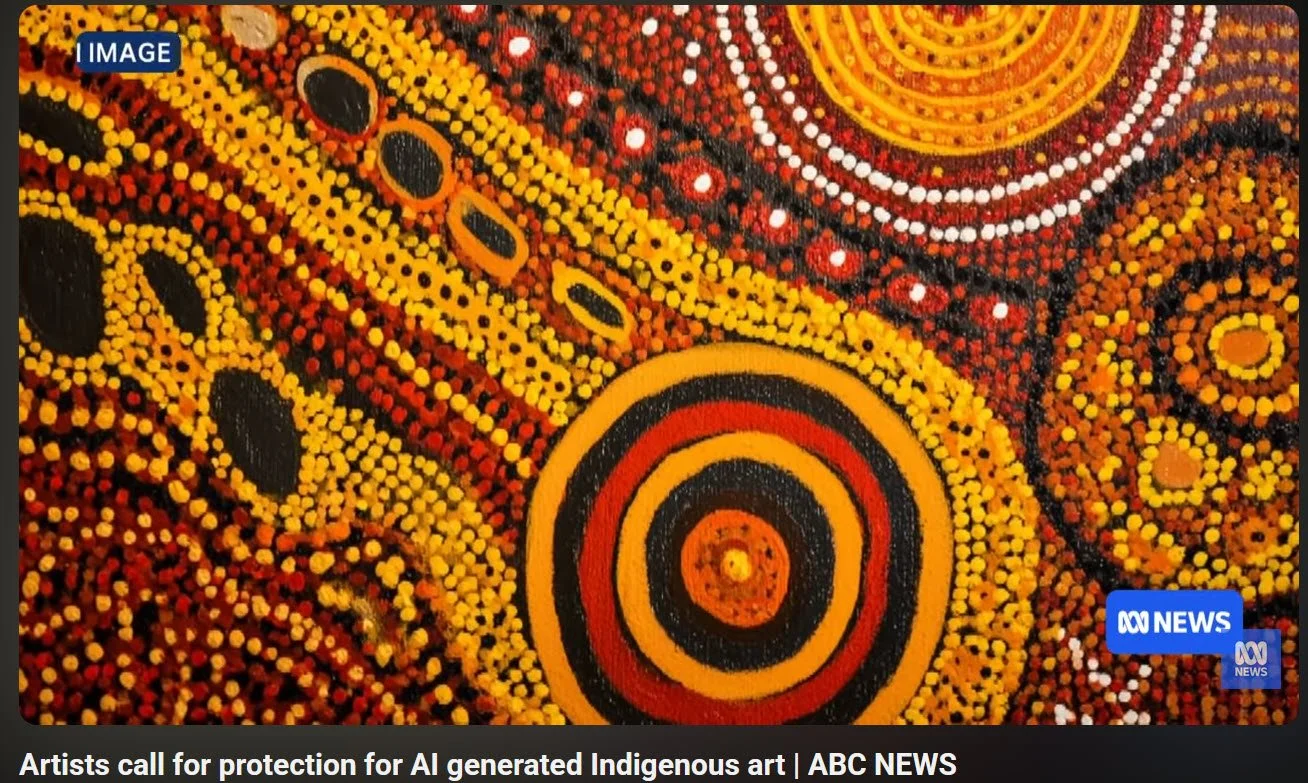
While the general art world fights over physical boundaries and funding, the tribal and ethnographic art world is facing a devastating technological threat: the rise of hyper-convincing, AI-driven cultural appropriation and mass forgery.
The AI Grift: Social media algorithms and digital marketplaces are being flooded with AI-generated images, videos, and "designs" that look vaguely Native American, African, or Oceanic. These anonymous, prompt-engineered creations are siphoning away millions of views, digital interactions, and dollars from actual living Indigenous artists.
Eradicating Nuance: Because AI models "scrape" data indiscriminately from unvetted internet sources, they flatten highly specific, sacred tribal traditions into a monolith—essentially creating a digital caricature of tribal art. It replaces deep, localized cultural heritage with aesthetic gibberish, meaning real Indigenous voices are being drowned out by a tsunami of synthetic "tribal-esque" media.
The Real-World Impact: This digital erosion is occurring alongside a surge in physical fraud. Federal courts have seen a spike in high-profile cases of counterfeit tribal goods (such as fake Native American jewelry manufactured in mass Asian factories and passed off as authentic).