
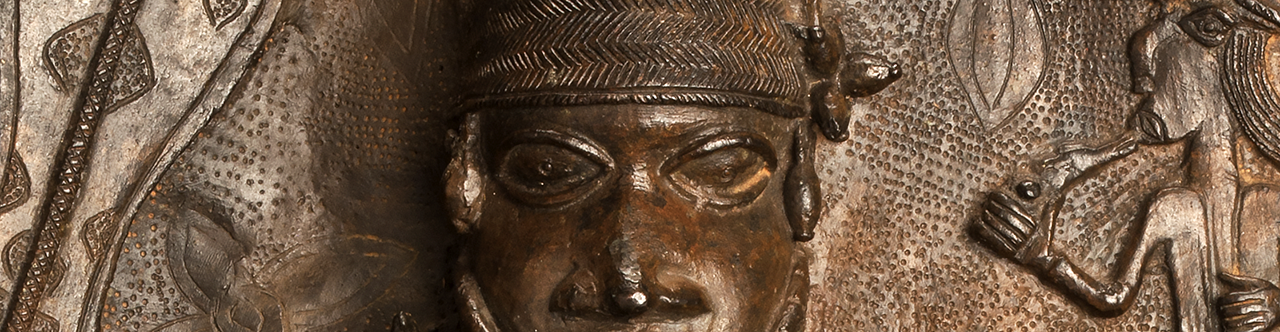
Art Research
Art research brings together several meaningful perspectives that help us see a work of art more fully.
Formal analysis looks closely at what’s right in front of us—the lines, colors, textures, and composition—to understand how an artwork creates its visual impact.
Iconography uncovers the stories behind an artwork’s symbols and themes, connecting it to the cultural, religious, or historical ideas that give it deeper meaning.
Social history of art places an artwork in its broader world, exploring how the social, political, and economic forces of its time shaped its creation and how people understood it.
Biographical analysis considers the artist’s life, showing how personal experiences, relationships, and circumstances can influence the choices we see on the canvas or in the object.
Provenance research follows an artwork’s journey over time, tracing its ownership to confirm authenticity and address important ethical questions about where it came from.
Our Resources
ArtTrak.com features several free research databases. ArtTrak Auction Database includes over 200,000 historical records of objects sold at auction from the 1970s up to and including catalogs after the Year 2000. This searchable database is particularly useful in tracking the provenance of particular objects.
There is also the Southwest Historic Pottery Database that includes over 1700 objects from museum collections in the southwest USA. In this section, links are provided to several public art/research databases.
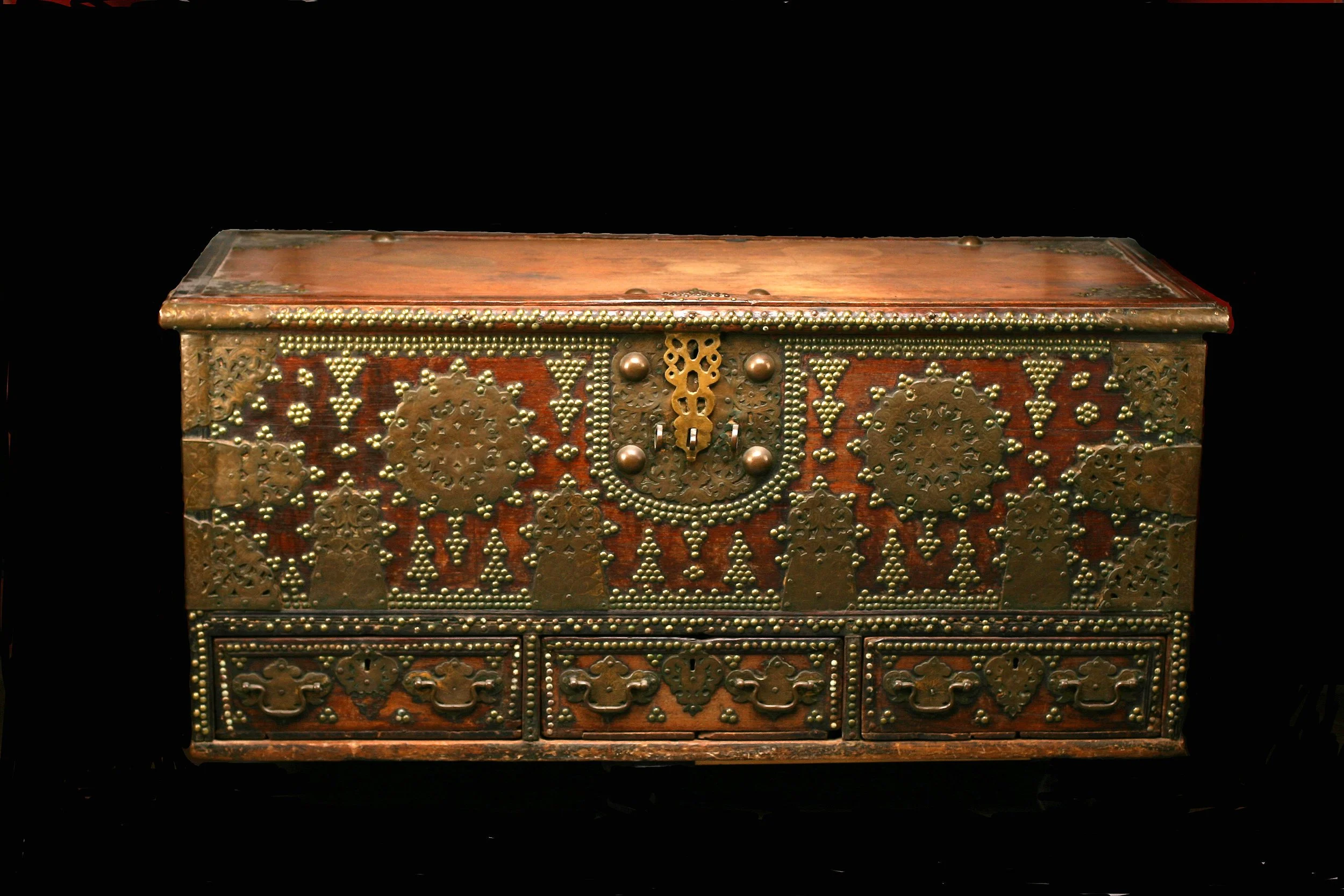
Tribal Art Auction Database
The ArtTrak Auction Database is the only Tribal Art resource that is searchable for past auction results between 1980 and the present. Our data entry efforts are continuous as we enter current catalogs and art auction catalogs from the 1970s and earlier. As a subscriber to the art auction database you can search for an object on tribe, category, auction house, sale, origin, date, sold amount, collection history, and research data. Because of copyright issues photographs are not attached to the auction records; however, the search will indicate whether photos are available in the catalogs. Searches can be downloaded and printed on your printer.
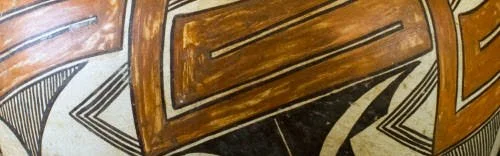
Historic Pueblo Pottery Project
The Historic Pueblo Pottery Database features more than 1,850 ceramics dating from the 18th century through the mid‑20th century. These works come from seven major U.S. museum collections: Arizona State Museum (Tucson); Cincinnati Art Museum (Cincinnati); Taylor Museum of Art, Fine Arts Center (Colorado Springs); Philbrook Museum of Art (Tulsa); Museum of the Red River (Idabel); Milwaukee Public Museum (Milwaukee); and Logan Museum of Anthropology (Beloit).
This project would not have been possible without the generous support of curators at each of these institutions—and the expertise, patience, and guidance of Bill Mercer. Their contributions laid the foundation, but we see this as only the beginning. As we continue refining the database, we look forward to inviting your participation. We welcome submissions of additional historic pottery that is comparable in age and quality and supported by well‑documented collection histories. Please feel free to reach out with any questions or suggestions.
Our goal is for this free resource to keep growing and to serve as a valuable tool for scholars, curators, dealers, collectors, and students who share an interest in Pueblo pottery and its history.