Elizabeth Mayer Boeckman (1933-2026) in Memorium
In Remembrance: Elizabeth Mayer Boeckman (1933–2026)
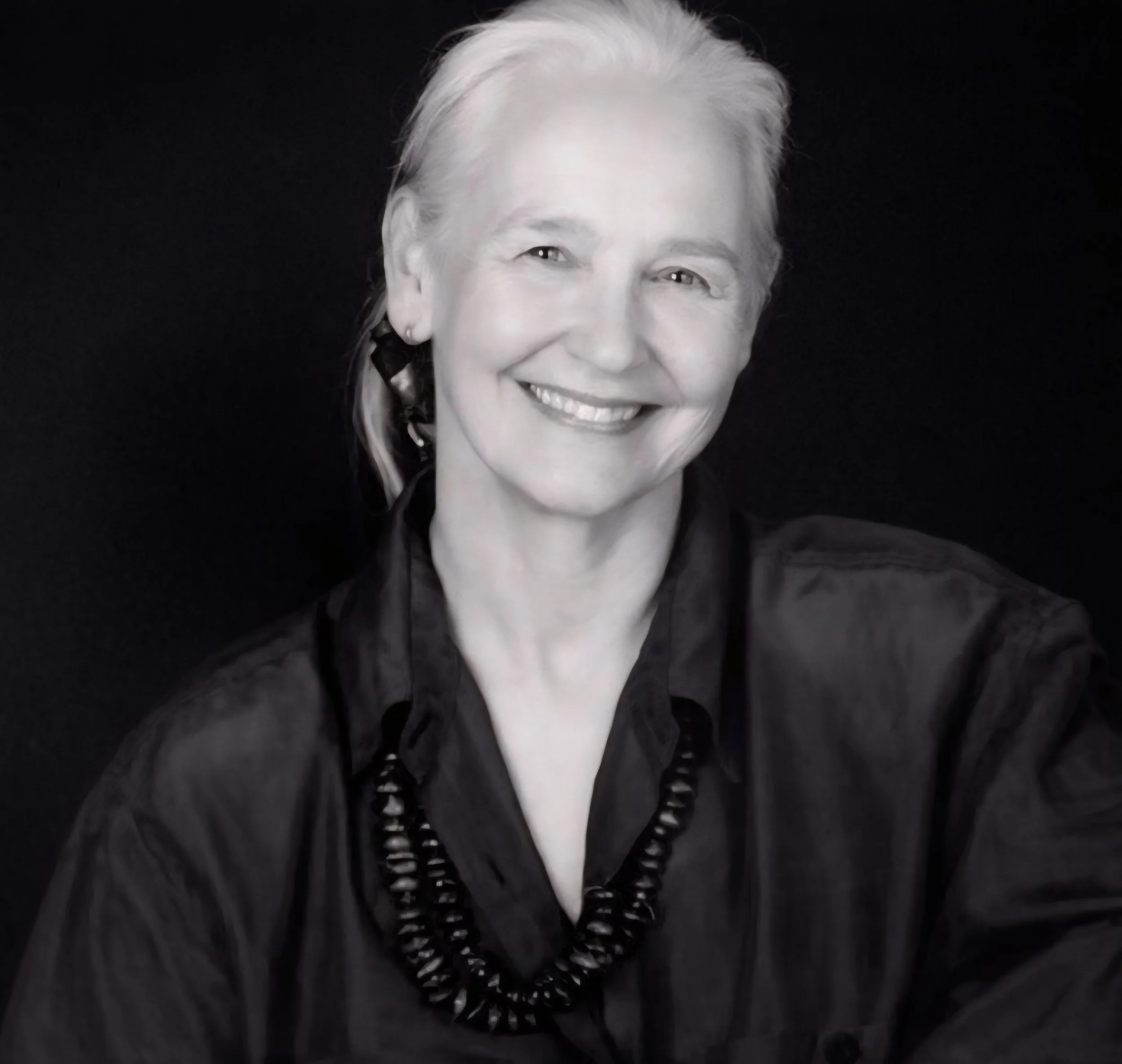
Margaret McDermott, Betty Blake, and Sarah Dorsey Hudson each played a defining role in the cultural evolution of Dallas, but it was Elizabeth Boeckman who brought a refined focus to the city’s holdings as a dedicated steward of its collections. These women were more than patrons; they were sophisticated collectors who saw their personal acquisitions as a fundamental part of their civic duty, ensuring that private connoisseurship ultimately served the public good. With the passing of Elizabeth Mayer Boeckman in 2026 at the age of 92, Dallas bids farewell to one of the final titans of its cultural awakening. Elizabeth was a woman of profound intellect and quiet power—a "scholar-collector" who spent a century ensuring that the city she loved possessed a soul as expansive as its skyline.
The Pantheon of Dallas Arts: A Lineage of Leadership
Elizabeth takes her rightful place in the history of North Texas alongside the original cultural architects who willed the Dallas Arts District into existence. In the grand tradition of Dallas leadership, women were not merely patrons; they were the primary builders and visionaries of the city’s major arts organizations.
Their relentless standards for excellence forged the path for the luminaries who followed—next-generation leaders like Deedie Rose, Betty Marcus, Mary Cook, Dorace Fichtenbaum, Caren Prothro, Marguerite Hoffman, Patsy Nasher, and Cindy Rachofsky.
Key Contributions to the Dallas Arts: Elizabeth’s impact was both structural and aesthetic, ensuring Dallas maintained its "museum-quality" reputation through every decade of her service:
The Textile and Indigenous Art Visionary: Elizabeth was an important contributor in building the DMA's world-class collection of Pre-Columbian art and ancient textiles. Long before it was fashionable, she began a passionate love for the pottery of the prehistoric Southwest. Her collections in Dallas and Santa Fe afforded her family and guests the rare privilege of appreciating the finest examples of this art form. Along with her husband, Duncan, she donated rare Peruvian textiles and Pueblo pottery, helping the DMA become a national leader in these fields.
The "Foundation for the Arts": She was a dedicated leader within the Foundation for the Arts, a unique private organization that buys high-quality art specifically to give to the DMA. This group ensured that Dallas acquired world-class pieces even when city budgets were tight.
AT&T Performing Arts Center: Beyond the visual arts, she was a champion for the development of the Arts District. She was deeply involved in the long-term planning that brought the Winspear Opera House and the Wyly Theatre to life.
A "Silver Cup" Recipient: In 1991, Elizabeth and her husband Duncan were honored with the TACA Neiman Marcus Silver Cup, Dallas’s most prestigious award for extraordinary service to the arts.
A Personal Note: The Gift of Presence
Beyond the galleries and boardrooms, Elizabeth was a lady of incomparable grace. She represented a time when standards of behavior truly mattered, leading not with volume, but with an unforgettable presence. Those who knew her well will remember her wry smile and occasional chuckle—a look that seemed to suggest one never really knew exactly what she was thinking, though you knew it was something profound.
Elizabeth was thoughtful and kind, rarely confrontational, yet possessed a toughness and self-assurance that surfaced exactly when it was needed. She was the quiet mentor who graciously and elegantly led by example. Possessing a rare economy of language, she had the remarkable ability to say more in a single, well-chosen sentence than most could say in multiple paragraphs.
A Heritage of Philanthropy
Elizabeth’s discernment was a birthright. A member of the Mayer family of Denver, she carried the torch of a lineage that defined Colorado’s artistic landscape. She remained a vital bridge between the Rockies and the Trinity River, mirroring the scholarly work of her brother, Frederick R. Mayer, and ensuring the family’s tradition of "scholar-philanthropy" flourished in Texas soil through The Boeckman Family Foundation.
The Final Bow
As we celebrate Elizabeth Mayer Boeckman, we honor a woman whose life was a masterwork of civic duty and artistic passion. She leaves behind a Dallas that is more vibrant, more cultured, and more profoundly connected to the history of the human spirit. Her legacy is not just in the buildings she helped raise, but in the rare and beautiful things she saved for the generations to come.