Manufactured Certainty — How Misinformation Enters the Tribal Art Record
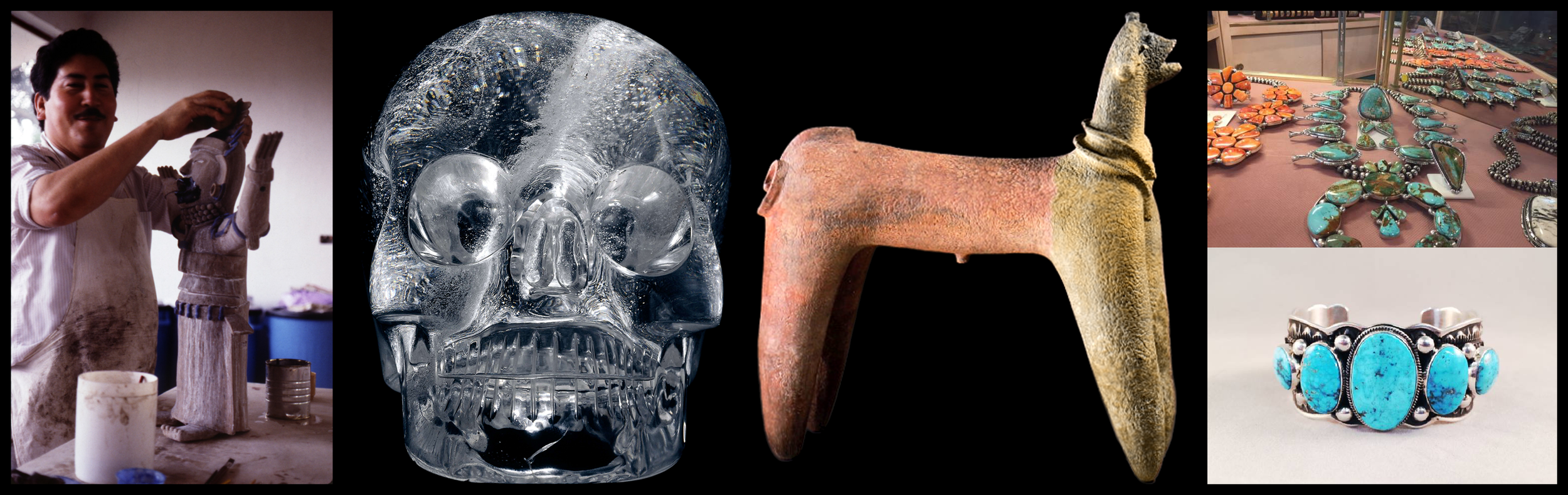
This montage assembles four documented cases in which fabricated objects, invented histories, or borrowed authority entered the tribal art record—and, in most instances, remained there for decades.
Why does misinformation survive in the tribal art market?
Sometimes a false claim is exposed quickly. More often it survives—not because it is convincing, but because it is comfortable, repeated, and profitable. A speculative attribution appears in a catalogue. The catalogue is cited. A story fills a documentary gap that no contemporaneous record was ever kept to fill. The cost of questioning the claim is paid immediately, while the cost of believing it is paid later, by someone else.
This article examines the mechanisms that install misinformation in the record: confirmation bias and anchoring, survivorship bias in the auction archives, the illusory truth effect, sunk costs and willful blindness, scarcity and urgency in sales rhetoric, the amplifying economics of the internet and generative AI, and certificates and publications that substitute authority for evidence. Documented Pre-Columbian, African, and Native American cases show each mechanism at work, followed by a practical verification discipline.
Whether you are a collector, museum professional, appraiser, attorney, investigator, or student of cultural heritage, this article offers a practical way to recognize the mechanism operating on you—and to keep unsupported claims out of the records you are responsible for.