The Authentication Process — A Professional Framework for the Evaluation of Cultural Objects
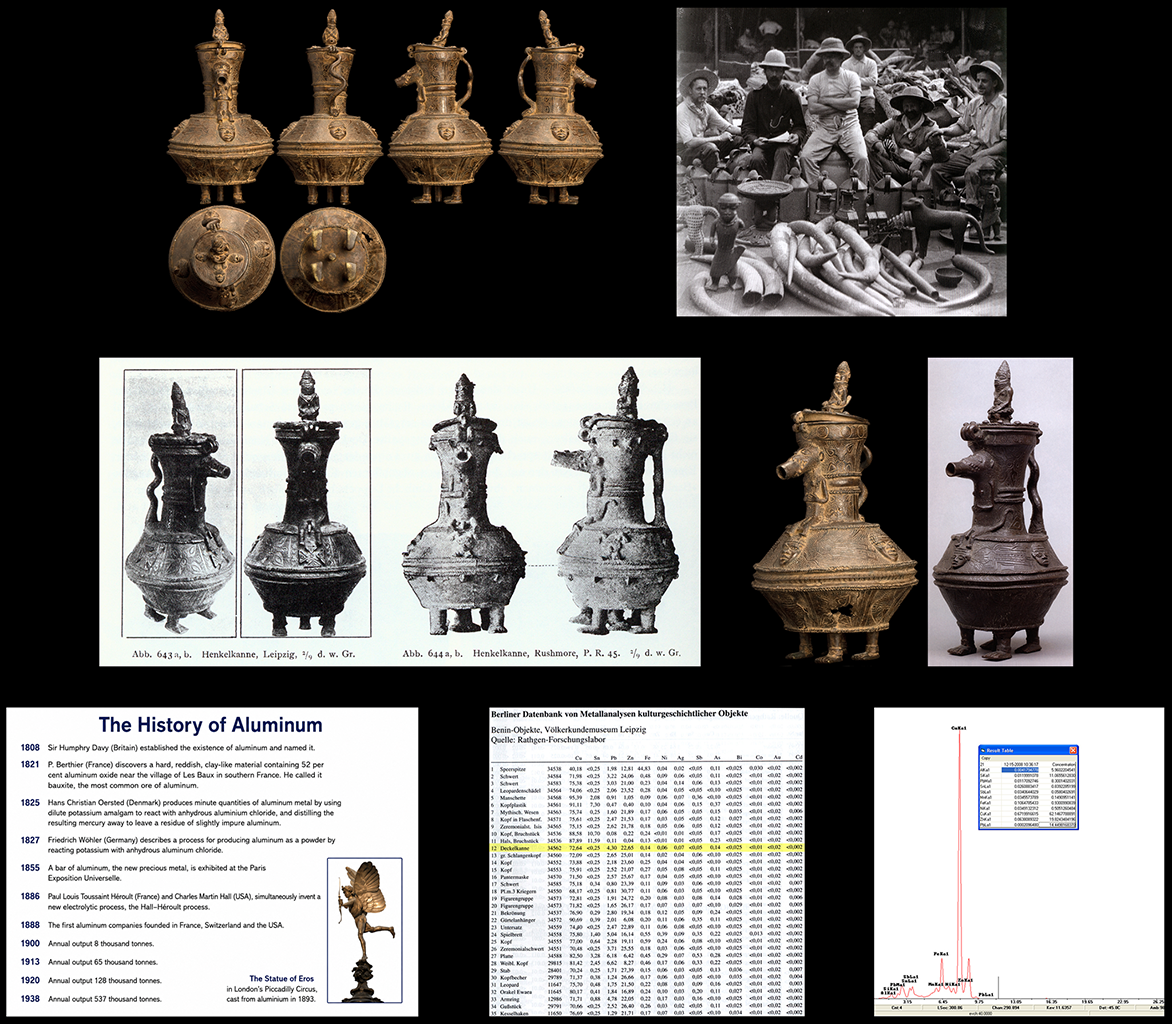
A visual case study from an investigation showing the integration of photography, historical research, stylistic analysis, prior metallurgical work, and new testing. The evaluation concluded that the object was a modern reproduction.
Most people assume that authenticating an object begins with a laboratory test. In reality, it begins much earlier—with questions.
Is the style consistent with documented examples? Do the materials fit the claimed period and place of origin? Has the object been conserved or altered? Does the provenance withstand scrutiny? What can scientific analysis tell us—and just as importantly, what can't it tell us?
The authentication of cultural objects is fundamentally an evidentiary process. No single observation, laboratory result, or expert opinion is sufficient in isolation. Reliable conclusions emerge only when historical research, comparative analysis, scientific testing, provenance, conservation history, and professional judgment are evaluated together within an appropriate historical, archaeological, cultural, and scientific context. As the article emphasizes, observations become evidence only after their reliability has been evaluated, and evidence becomes findings only after careful interpretation.
Using illustrated examples drawn from the examination of Benin material, this article demonstrates how professional authentication integrates multiple independent lines of evidence into a structured investigative framework. It also explores the limitations of common analytical techniques, the dangers of over-interpreting partial results, and the importance of professional skepticism throughout the investigative process.
Whether you are a collector, curator, attorney, appraiser, conservator, or researcher, this framework provides a practical methodology for evaluating cultural objects with greater rigor, transparency, and confidence.